Creating a Relaxing Home Office to Boost Productivity and Well-Being


Working from home has become increasingly common, and creating a home office that supports both productivity and well-being is essential. A relaxing environment can help reduce stress, improve focus, and make your workdays more enjoyable. Here are several tips to design a home office that feels calm and energizing.
Choose the Right Space
Find a Quiet, Dedicated Area
Select a space away from household distractions like TV noise and high-traffic areas. A dedicated room or corner helps set boundaries between work and personal life.
Maximize Natural Light
Natural light improves mood and alertness. Position your desk near a window if possible, but avoid glare on your computer screen by using blinds or adjusting the angle.
Invest in Comfortable Furniture
Ergonomic Chair and Desk
Choose a chair with good lumbar support to maintain healthy posture. A desk at the correct height lets you type and write comfortably. Standing desks are also an option for those who want to alternate between sitting and standing during the day.
Add Soft Textiles
Incorporate cushions, rugs, or throws to soften the space and add warmth, creating a more inviting atmosphere.
Keep Your Workspace Organized
Declutter Regularly
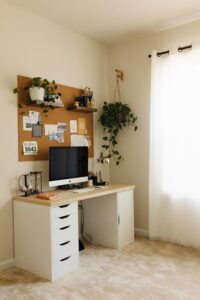
A cluttered desk can increase stress and reduce concentration. Use storage solutions like shelves, drawers, or boxes to keep supplies and documents tidy.
Use Cable Management Tools
Hide cables and cords with clips or sleeves to maintain a clean workspace and prevent distractions.
Personalize Your Environment
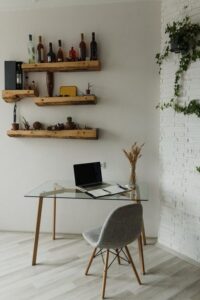
Bring in Plants
Indoor plants improve air quality and add life to your space. Low-maintenance options like snake plants or pothos are ideal.
Add Calming Colors and Decor
Use soft colors like blues, greens, or neutrals, which promote relaxation. Consider artwork, photos, or inspirational quotes that uplift your mood.
Control Noise Levels
Use Noise-Canceling Headphones
If background noise is unavoidable, noise-canceling headphones can help create a focused atmosphere.
Add Soft Sound Elements
Consider a white noise machine or play gentle music to mask disruptive sounds.
Regulate Temperature and Air Quality
Keep the Room Comfortable
Ensure your workspace is neither too hot nor too cold. Adjust heating, cooling, or ventilation as needed for comfort.
Improve Air Circulation
Open windows when possible or use an air purifier to keep air fresh and reduce allergens.
Establish a Routine and Break Spaces
Set Regular Work Hours
Having consistent start and end times helps maintain work-life balance and reduces stress.
Designate a Relaxation Corner
Set up a nearby area with a comfortable chair or cushions where you can take short breaks, stretch, or meditate.
Use Lighting Wisely
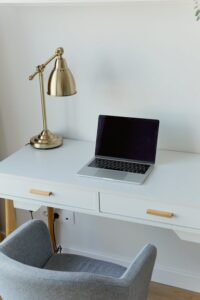
Combine Ambient and Task Lighting
Overhead lighting provides general illumination, while desk lamps offer focused light for detailed work. Adjustable lighting reduces eye strain.
Avoid Harsh Fluorescents
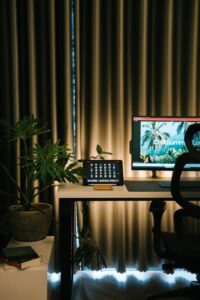
Choose warm LED bulbs or natural light instead of bright fluorescent lighting to create a softer, more relaxing atmosphere.
Incorporate Technology Thoughtfully
Use Blue Light Filters
Many devices offer blue light filters to reduce eye strain during long screen time sessions.
Keep Devices Updated and Organized
Regularly update software and organize digital files to minimize tech frustrations that can disrupt your workflow.
—
Creating a relaxing home office is about balancing comfort and functionality. By designing a space that supports your mental and physical well-being, you’ll likely feel more motivated and productive throughout your workday. Start small, and gradually make changes that suit your preferences and work style. A calm, organized, and personalized home office can make all the difference in how you experience working from home.