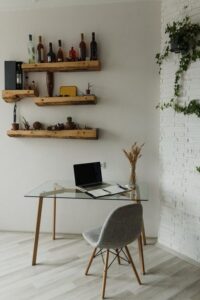
Tips for Creating a Cozy and Inviting Home Workspace


Creating a cozy and inviting home workspace is essential for anyone who spends time working remotely or tackling projects at home. A thoughtfully designed workspace can help you stay motivated, reduce stress, and improve your overall work experience. Whether you have a dedicated room or just a small corner, here are some helpful tips to make your home office warm, welcoming, and functional.
Choose the Right Location
Finding a quiet and comfortable spot is the first step in creating an inviting workspace. Ideally, select an area with good natural light and minimal distractions. If possible, position your desk near a window to benefit from sunlight—this can lift your mood and energy levels.
If space is limited, consider multi-purpose areas that can be easily tidied and organized, such as a section of the living room or bedroom. Ensure the space feels separate from your relaxation zones to help maintain a healthy work-life balance.
Invest in Comfortable Furniture
Comfort is key when you’re spending hours working or studying. Invest in a supportive chair that promotes good posture and reduces strain on your back and neck. Adjustable chairs are great options because they can be customized to your height and desk setup.
Your desk should be sturdy and spacious enough to accommodate your computer, notebooks, and any tools you regularly use. Ergonomic accessories, such as keyboard trays and monitor stands, can improve your comfort and prevent repetitive strain injuries.
Personalize Your Space
Adding personal touches makes your workspace feel inviting and unique. Consider decorating with items that inspire creativity and calm. This might include:
– Framed photos or artwork
– Indoor plants for a touch of nature
– A cozy throw blanket or cushion
– Motivational quotes or vision boards
Personalizing your workspace helps make it a place you want to spend time in, adding to its warmth and coziness.
Use Soft Lighting
Lighting plays a major role in setting the mood of your workspace. Avoid harsh overhead lights, which can cause eye strain and fatigue. Instead, use a combination of natural light and soft artificial lighting, such as desk lamps or floor lamps with warm bulbs.
Consider adding adjustable lamps so you can control brightness throughout the day. If you work late, a gentle nightlight or string lights can create a relaxing atmosphere without being distracting.
Keep It Organized
A clutter-free desk promotes focus and reduces anxiety. Use simple organizational tools to keep your workspace tidy and efficient:
– Desk organizers or trays for stationery
– Cable management clips to reduce cord tangles
– Shelves or storage bins for documents and supplies
Establish a routine to clear your desk at the end of each workday. A clean, orderly workspace gives you a fresh start every morning and helps you stay productive.
Incorporate Calming Colors
Colors affect mood more than many realize. For a cozy home office, consider using soothing and neutral tones such as soft blues, gentle greens, warm beiges, or muted grays. These colors can create a calming environment conducive to concentration.
You can add these colors through wall paint, rugs, curtains, or decorative accessories. If you prefer brighter tones, balance them with neutral elements to avoid overstimulation.
Add Textures and Soft Materials
Incorporate soft fabrics and textured materials to boost the cozy vibe of your workspace. A plush rug under your desk, a padded chair cushion, or curtains made from lightweight fabrics can make your surroundings more comfortable.
Textiles help absorb sound and soften the overall feel of the room, making it more inviting for long periods of work.
Bring Nature Indoors
Plants are a wonderful way to enliven your workspace. They improve air quality, reduce stress, and add aesthetic value. Choose low-maintenance plants like succulents, snake plants, or pothos if you don’t have a green thumb.
Arrange your plants near your desk, on shelves, or hanging from the ceiling if you’re short on space. The presence of greenery makes your home office feel more alive and refreshing.
Create Zones for Different Activities
If your workspace serves multiple purposes, such as meetings, brainstorming, or creative tasks, consider setting up different zones. For example:
– A main desk area for computer work
– A small table or easel for sketching or writing by hand
– A comfortable chair or bean bag for reading or relaxing
Defining zones can help your brain switch between tasks and make your workspace feel dynamic and well-organized.
Pay Attention to Acoustics
Noise can be distracting and hinder productivity. If you live in a noisy environment, try to reduce sound disruptions. Simple fixes include:
– Using rugs or curtains to absorb noise
– Adding weather stripping or door seals
– Using noise-canceling headphones or playing soft background music or white noise
Good acoustics contribute to a peaceful workspace, allowing you to concentrate better.
Final Thoughts
Creating a cozy and inviting home workspace doesn’t require a major renovation or expensive décor. By prioritizing comfort, personalization, organization, lighting, and thoughtful design, you can transform your workspace into a place that supports both your productivity and well-being. Start with small changes and tailor your setup to what feels best for you. A warm and welcoming home office can make all the difference in your daily work routine.