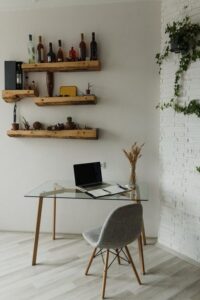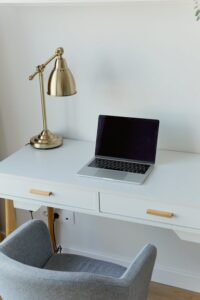
How to Create a Cozy and Productive Home Office Space

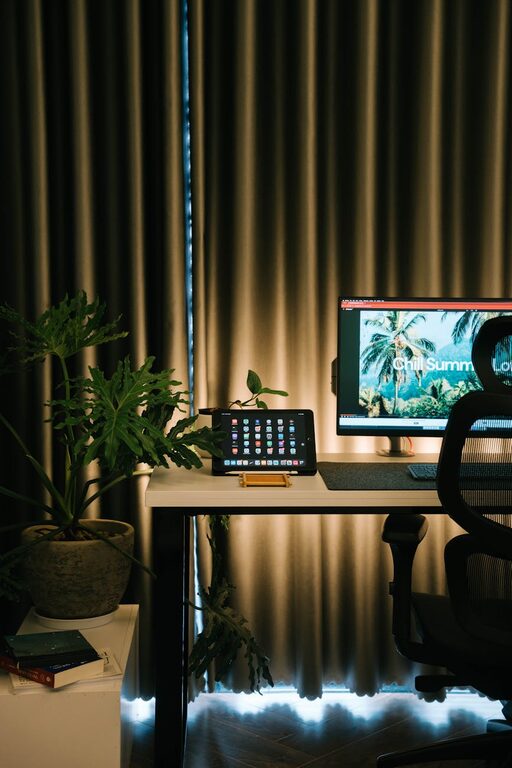
Creating a home office that feels cozy and encourages productivity can make a significant difference in how you work. Whether you’re working remotely full-time or just need a dedicated spot for occasional tasks, having the right setup is key to staying focused and comfortable. This guide provides practical tips to help you design a home office space that supports your work while making you feel at ease.
Choose the Right Location
Selecting the best spot for your home office depends on your living space and work habits.
– Quiet Corner: Look for a place away from the busiest parts of your home to minimize distractions.
– Natural Light: If possible, choose a space near a window to benefit from daylight, which can boost mood and energy.
– Space Availability: Make sure the area has enough room for your desk, chair, and storage without feeling cramped.
Invest in Comfortable and Functional Furniture
Your furniture choices can impact both comfort and productivity.
– Ergonomic Chair: Opt for a chair that supports your posture and is adjustable to prevent back pain.
– Appropriate Desk: Choose a desk height that suits your body, allowing your arms to rest comfortably while typing.
– Additional Seating: Consider a small couch or chair for breaks or informal meetings.
Organize Efficiently
An organized workspace reduces stress and helps you focus.
– Declutter Regularly: Remove unnecessary items to keep the space tidy.
– Use Storage Solutions: Incorporate shelves, drawers, and containers to store documents and supplies.
– Desktop Organization: Use desk organizers or trays to keep frequently used items within reach but off your main work surface.
Personalize Your Space
Adding personal touches can make your home office feel inviting.
– Decor: Use art, plants, or decorative items that inspire you but don’t overcrowd the space.
– Color Scheme: Choose calming colors like soft blues or greens to promote focus, or warm hues for a cozy vibe.
– Lighting: Besides natural light, add lamps or adjustable lighting to reduce eye strain and create ambiance.
Establish Good Lighting
Proper lighting prevents fatigue and helps maintain energy throughout the day.
– Natural Light First: Position your desk to maximize daylight without glare on your screen.
– Task Lighting: Use adjustable lamps for focused work during darker hours.
– Ambient Lighting: Combine overhead lights with softer lamps for a balanced environment.
Create Boundaries Between Work and Home Life
Maintaining a work-life balance requires clear physical and mental boundaries.
– Dedicated Work Hours: Set specific times for work to avoid burnout.
– Separate Workspace: If possible, use a room or area that can be closed off at the end of the day.
– Visual Cues: Use rugs or room dividers to define the workspace within a larger room.
Use Technology to Your Advantage
Equip your home office with the right tech tools to enhance productivity.
– Reliable Internet Connection: Invest in a good router or wired connection to avoid disruptions.
– Quality Hardware: Use a monitor, keyboard, and mouse that suit your workflow.
– Productivity Apps: Utilize tools for task management, communication, and time tracking.
Keep Comfort in Mind
Comfort encourages longer, more focused work sessions.
– Temperature Control: Ensure the space is warm in winter and cool in summer.
– Ergonomic Accessories: Consider wrist rests, foot supports, or laptop stands.
– Break Area: Include a spot nearby where you can stretch or relax briefly.
Maintain Regular Cleaning and Upkeep
A clean and well-maintained office promotes a clear mind.
– Daily Tidying: Spend a few minutes at the end of each day to organize your desk.
– Weekly Deep Clean: Dust, vacuum, and sanitize surfaces regularly.
– Equipment Maintenance: Keep your devices updated and in good working order.
Final Thoughts
Designing a cozy and productive home office is about balancing comfort with functionality. By choosing the right location, investing in ergonomic furniture, organizing efficiently, and personalizing your space, you can create an environment that motivates you every day. Remember to maintain boundaries and take care of your workspace to ensure it continues to meet your needs. With these tips, your home office can become a place that not only supports your work but also feels like a welcoming retreat.